Shopify Liquid vs Custom WooCommerce in 2026: Architecture, Checkout Extensibility & True TCO
An architectural breakdown comparing hosted SaaS (Shopify Liquid & Checkout Extensibility) against open-source infrastructure (WooCommerce, PHP 8+, and Redis caching) for technical directors and e-commerce founders.
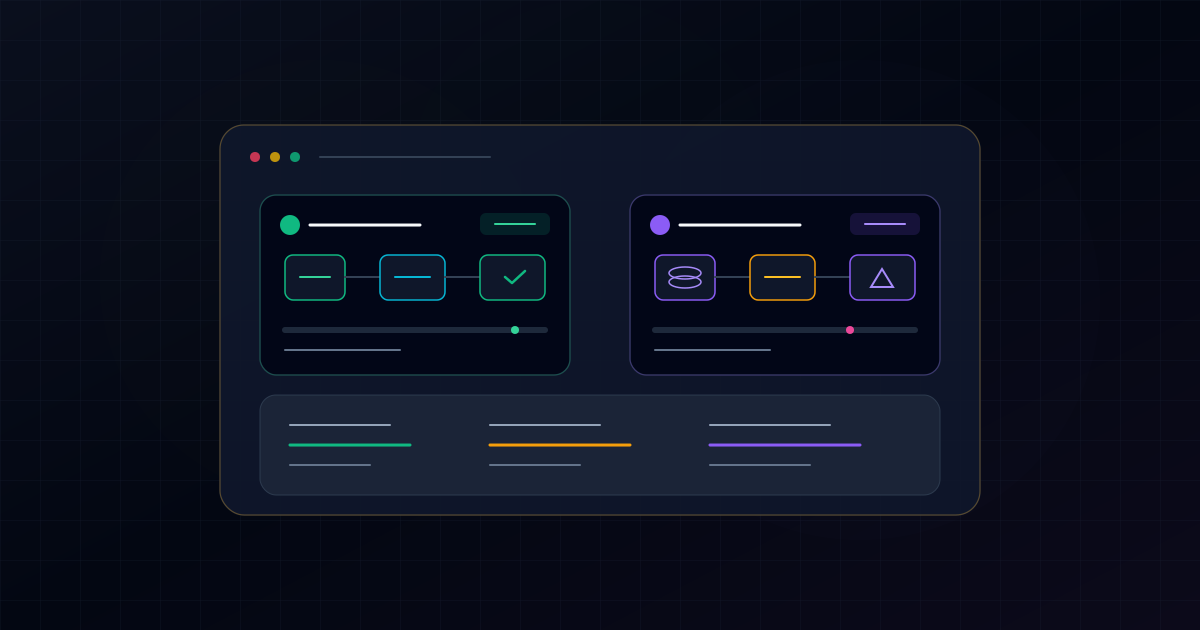
The Strategic Dilemma: Managed SaaS vs Self-Hosted Infrastructure
When engineering an e-commerce platform in 2026, technology leaders face a classic architectural trade-off: surrender server control for turnkey reliability (Shopify), or maintain sovereign control over database schemas, transaction fees, and business logic (custom WooCommerce).
Quick Decision Matrix: When to Choose Which Architecture
| Evaluation Dimension | Choose Shopify Liquid | Choose Custom WooCommerce |
|---|---|---|
| Catalog Scope | Standard retail catalog (< 5,000 SKUs) | Complex variants or large catalog (10,000+ SKUs) |
| B2B & Pricing Logic | Standard D2C retail with single pricing | Multi-tier wholesale, custom B2B, ERP synchronization |
| Transaction Commissions | 2% to 3% platform fees + payment gateway | 0% platform commission (direct gateway only) |
| Custom Code & Storage | Sandboxed Shopify Functions & Liquid | Sovereign PHP 8.2+, MySQL indexing, Redis cache |
| Operational Overhead | Zero server maintenance or patch management | Requires managed NVMe VPS and security patching |
1. Architecture & Rendering Models
Shopify relies on an edge-cached Liquid template engine backed by proprietary GraphQL Storefront APIs and closed-source checkout microservices. You do not touch the database, you cannot modify database indices, and checkout customization is restricted to Shopify Functions and Web Pixels.
In contrast, custom WooCommerce operates on PHP 8.2+, MySQL/MariaDB, and Redis object caching. With modern engineering (disabling legacy page builders, utilizing custom post types, and indexing custom tables), WooCommerce handles millions of pageviews at sub-100ms response times:
// High-performance WooCommerce Redis Query Caching snippet
add_filter('posts_pre_query', function ($posts, \WP_Query $query) {
    if (!$query->is_main_query() || is_admin() || !$query->is_post_type_archive('product')) {
        return $posts;
    }

    $cache_key = 'wc_catalog_' . md5(json_encode($query->query_vars));
    $cached = wp_cache_get($cache_key, 'ecommerce_catalog');

    if ($cached !== false) {
        return $cached;
    }

    return $posts;
}, 10, 2);
2. The True Total Cost of Ownership (TCO) Breakdown
Many organizations mistakenly assess platform costs based purely on monthly subscription fees. A realistic 3-year TCO calculation for an enterprise store turning over $1.2M annually demonstrates the disparity:
| Financial Dimension | Shopify Advanced ($399/mo) | Custom WooCommerce + Dedicated NVMe VPS |
|---|---|---|
| Platform / Hosting Fee | $14,364 (3 years) | $3,600 ($100/mo Cloud VPS) |
| App Store Subscriptions | $18,000 ($500/mo for Bundles, Subscriptions, Upsells) | $0 (built natively into theme codebase) |
| Non-Shopify Payments Fee (0.5% - 2%) | $18,000 - $24,000 | $0 (direct bank/Stripe gateway only) |
| Developer / DevOps Maintenance | $7,200 | $14,400 (security patches & server updates) |
| Total 3-Year Operational Cost | $57,564 - $63,564 | $18,000 |
3. Checkout Extensibility & Conversion Engineering
Shopify's greatest asset is its one-page checkout, optimized against billions of global transactions. However, if your business requires:
- Tailored B2B credit terms with net-30 invoice generation
- Split cart payments across multiple fulfillment warehouses
- Custom non-standard VAT calculation engines for European territories
Shopify requires an upgrade to Shopify Plus ($2,000+/month minimum). With WooCommerce, such logic is written directly via extensible action hooks without subscription penalties.
Architectural Verdict
- Choose Shopify Liquid if: time-to-market is the primary objective, marketing teams handle daily promotions without in-house engineers, and standard payment providers (Shopify Payments / Stripe) cover 100% of customers.
- Choose Custom WooCommerce if: you require zero-commission payment handling, custom B2B inventory pipelines, deep integration with local ERPs, and long-term TCO savings on high-volume revenues.
Where This Architecture is Deployed in Production
These architectural patterns are not abstract theory - they are fully deployed and benchmarked in these live production builds:
Artezio EU Storefront
Custom Shopify Liquid theme engineered with zero app bloat, achieving a 96 PageSpeed rating and 2.4x checkout speed.
Kidzely E-Commerce Store
Engineered high-converting cart drawer and product bundle rules with native Shopify Functions, avoiding third-party recurring app fees.
Luna Mebel Manufacturing Catalog
Custom WooCommerce catalog with 1,200+ configurable attributes, Redis object caching, and sub-100ms SQL query execution.
White-Label Web Engineering for Digital Agencies & Tech Startups
Senior technical capacity in React 19, Next.js 16, and bespoke WordPress under strict NDA. No intermediaries, predictable delivery, and 24-48h scoping turnaround.
Planning a tech stack migration or new build?
Discuss architectural requirements with my interactive RAG AI assistant or connect directly for an engineering assessment.
Related Engineering Articles
Next.js 16 vs Headless WordPress vs Custom PHP: Objective TCO, Performance & SEO Analysis (2026)
An engineering breakdown comparing architecture, maintenance overhead, Total Cost of Ownership (TCO), and Google Core Web Vitals across Next.js 16, Headless WordPress, and custom PHP.
Fullstack AI Lab Architecture Deep-Dive: Compiling 1,135+ MDX Lessons in 90 Seconds with Next.js 16 & Rust MDX-RS
Complete executive and technical breakdown of the Fullstack AI Lab interactive engineering platform: how we cut SSG build times by 14x (from 21.6m to 1.5m), engineered an in-browser WebAssembly WordPress sandbox, an AI Technical Interview Engine, interactive runtime simulators, and a zero-metaphor NotebookLM audio engine.